Fan-made · Fandom-powered
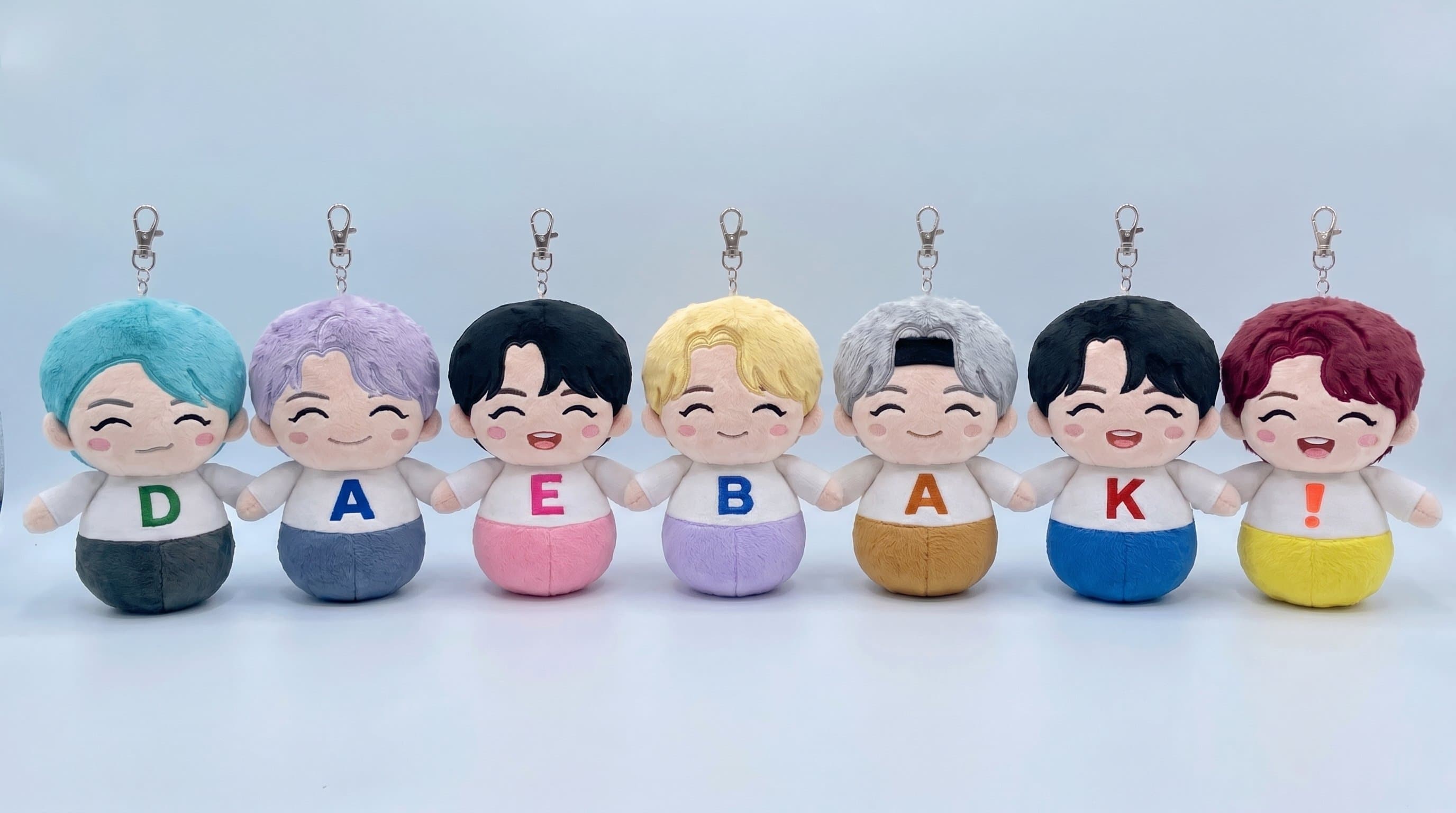
The K-pop universe built by fans, for fans. Annotate lyrics, decode slang, and earn real rewards — including our iconic chibi plush collection.
Limited Collection · 490 units
240k+Fan Members
18k+Songs Annotated
7Plush Characters
4Major Labels
HYBE EntertainmentSM EntertainmentYG EntertainmentJYP EntertainmentAegyo RewardsK-Pop LyricsFan AnnotationsSlang DictionaryConcert TicketsSigned Memorabilia240,000 MembersHYBE EntertainmentSM EntertainmentYG EntertainmentJYP EntertainmentAegyo RewardsK-Pop LyricsFan AnnotationsSlang DictionaryConcert TicketsSigned Memorabilia240,000 Members
Hall of Fame
Top
Contributors
This Month
The community champions who shape the wiki. Annotate lyrics, correct translations, decode slang — and climb the ranks to earn exclusive rewards.
View Full Leaderboard



Aegyo Rewards
Collect Points.
Win the Dream.
Every annotation, comment, and approved edit brings you closer to your idol.
Sign-Up Bonus
+50
One-time reward, just for creating your account.
Annotation
+20
Explain a lyric. Help the fandom understand.
Comment
+1
Join the conversation on any song page.
How to Earn
Five Ways
to Win Points
- +1 ptPost a CommentShare your thoughts on any song, artist, or album
- +20 ptsAdd an AnnotationDecode a lyric line for the community
- +10 ptsAnnotation ApprovedAn editor accepts it; rejected ones lose 10
- +50 ptsSign-up BonusOne-time reward when you create your account
- +10 eachLink Social ProfilesVerify up to 3 social media accounts
Aegyo Merch
Wear the
Culture.
Earned through points. Worn in the streets of Seoul.
Shop the Merch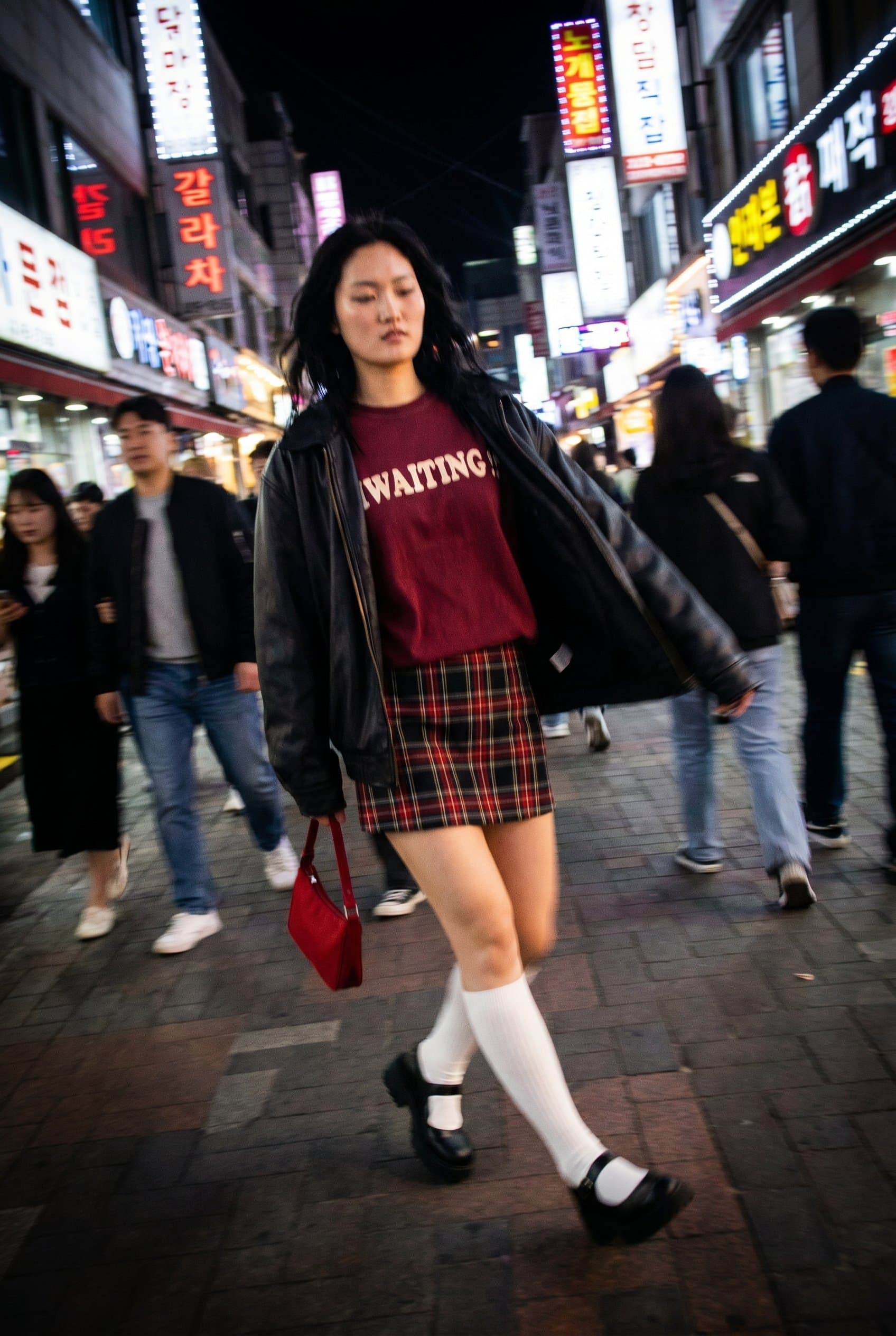
Drop 01
“Hwaiting !!!” — Neon Seoul
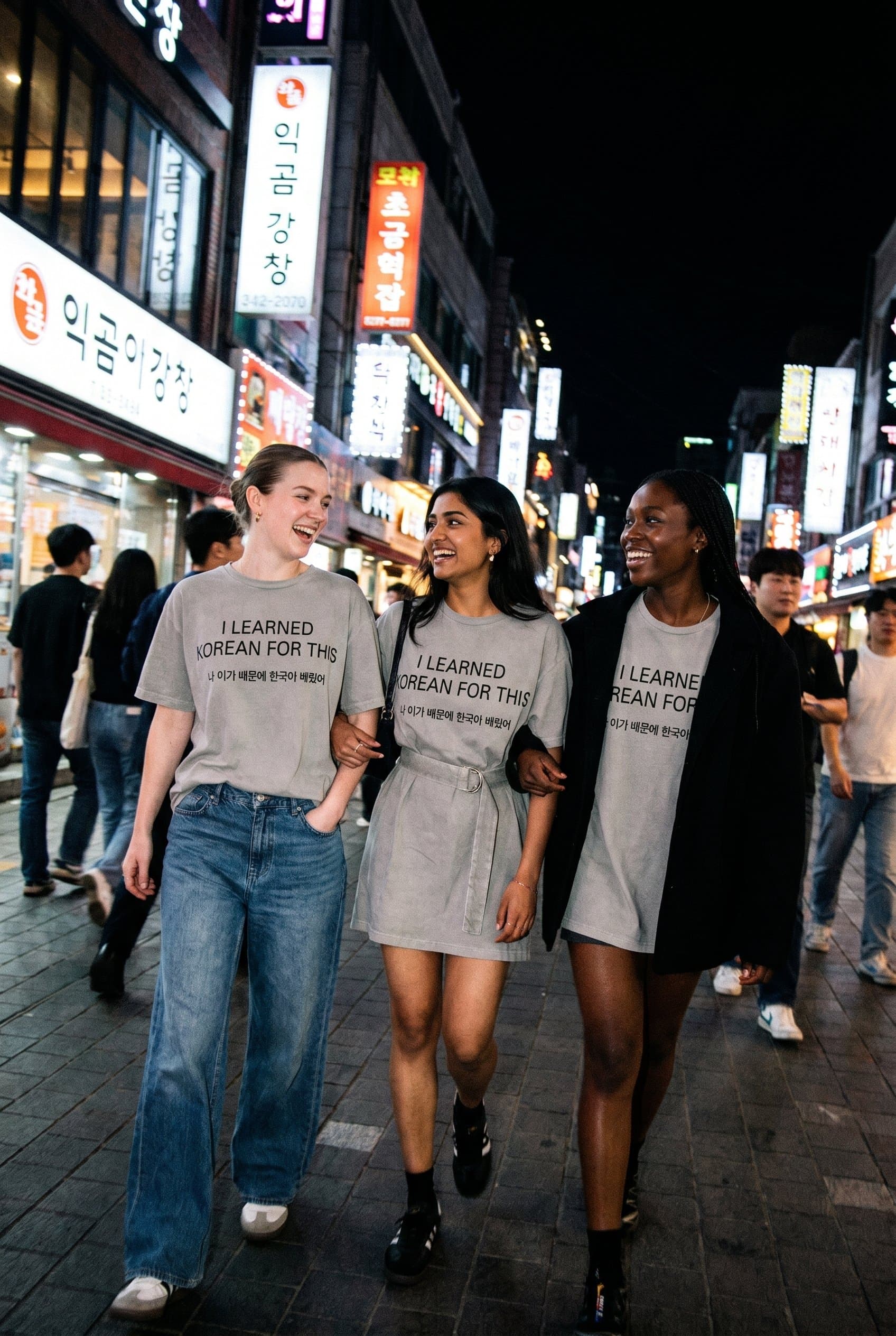
Drop 02
“I Learned Korean For This”
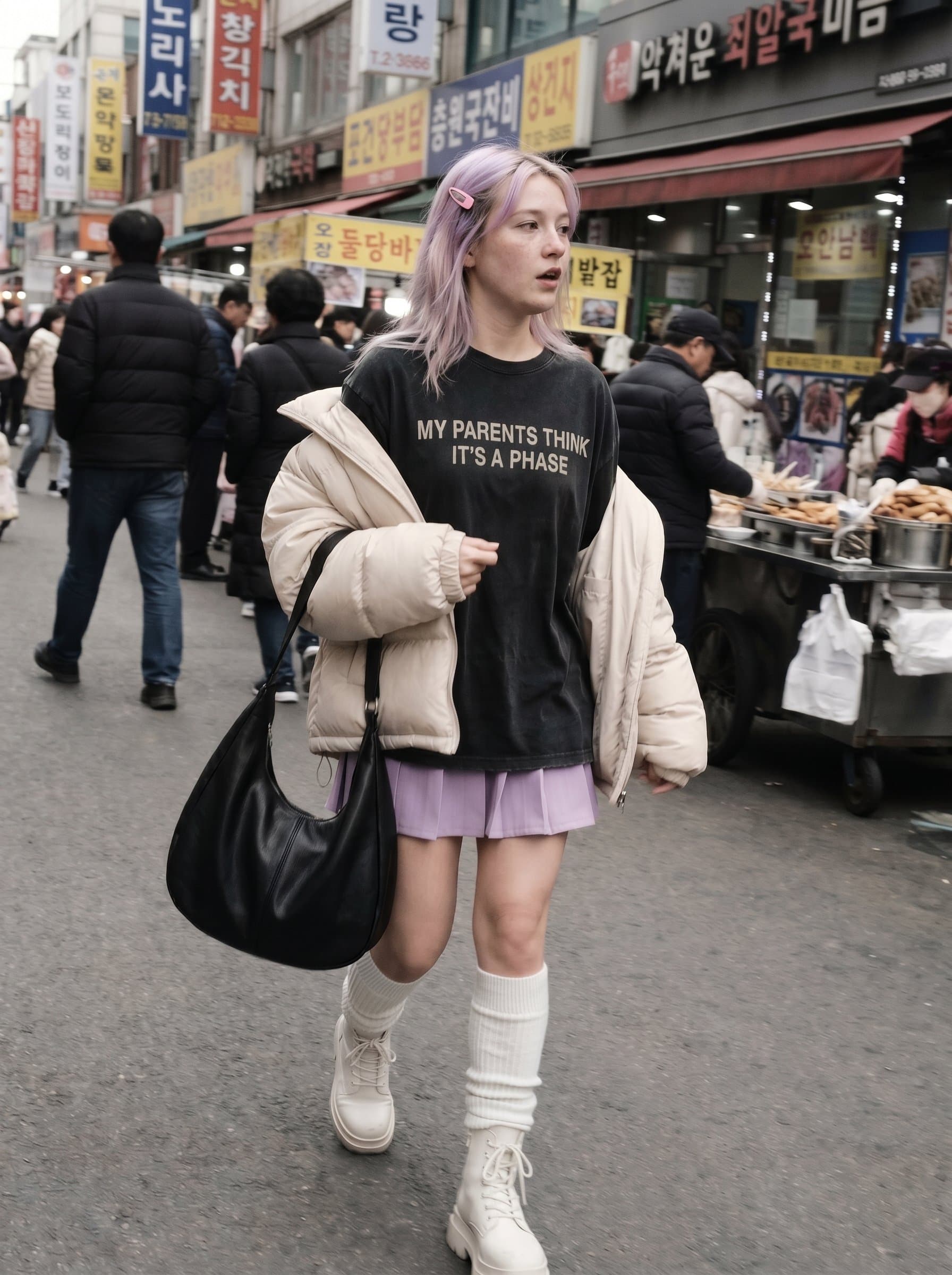
Drop 03
“My Parents Think It's A Phase”
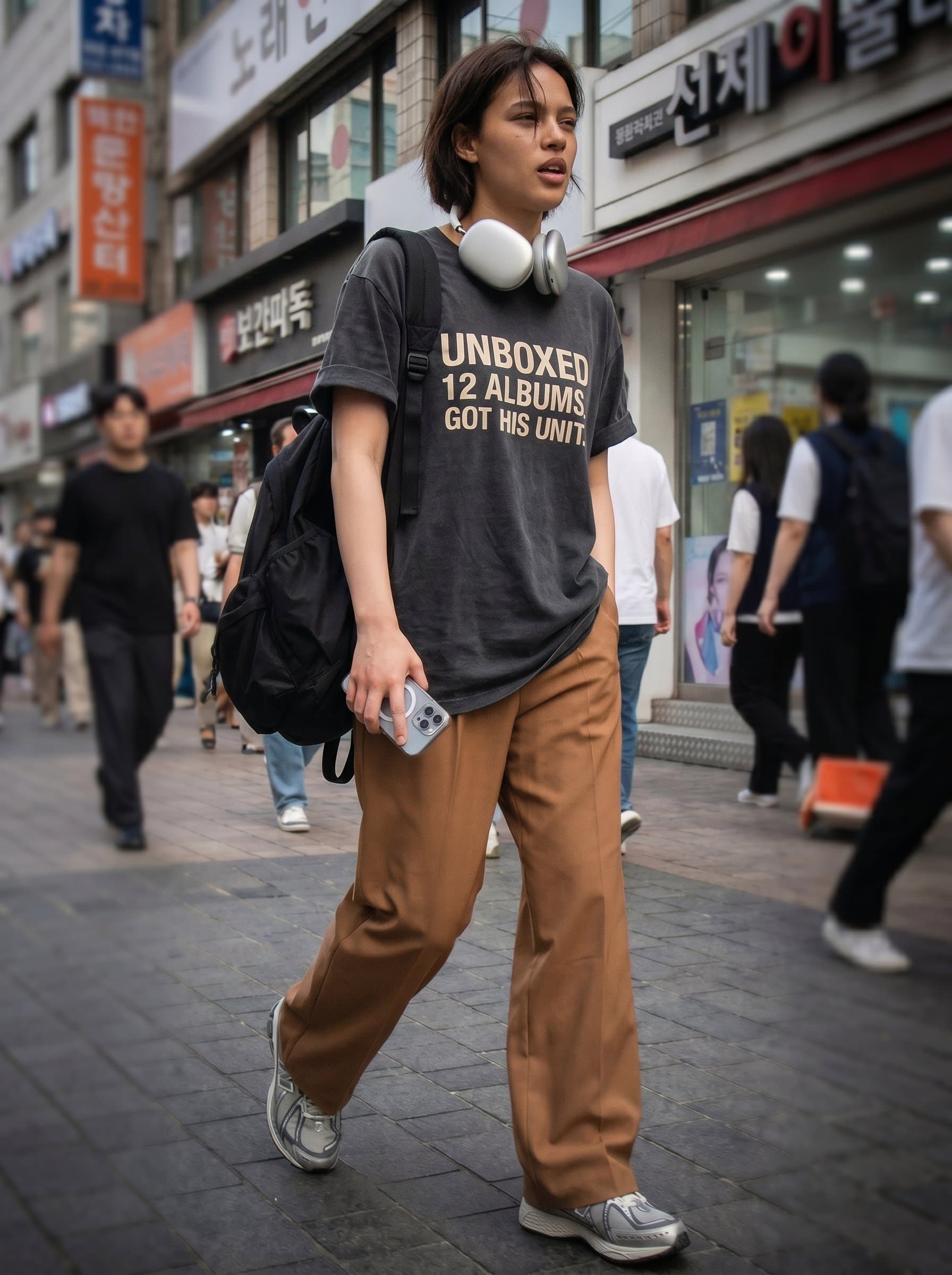
Drop 04
“Unboxed 12 Albums. Got His Unit.”
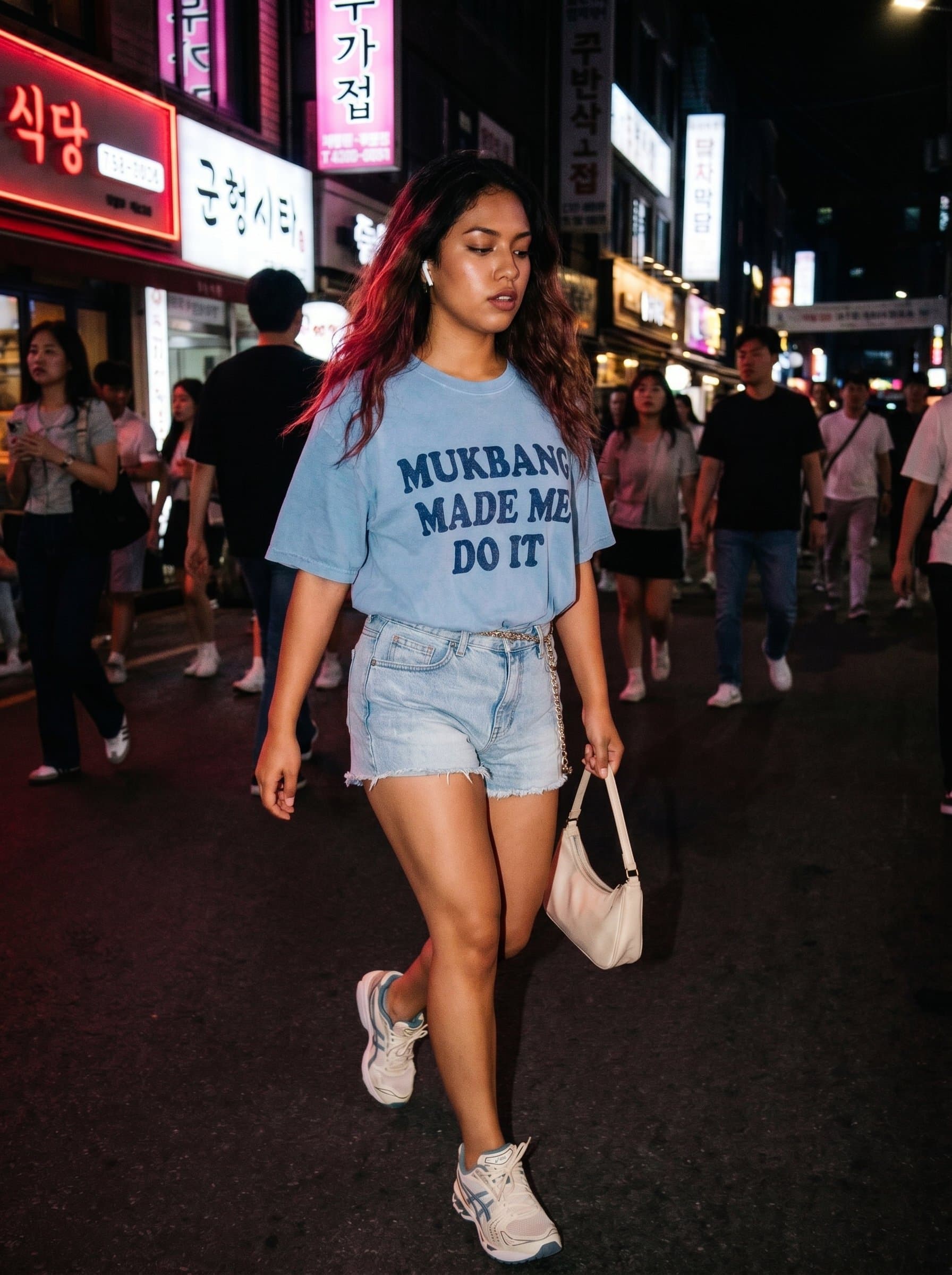
Drop 05
“Mukbang Made Me Do It”
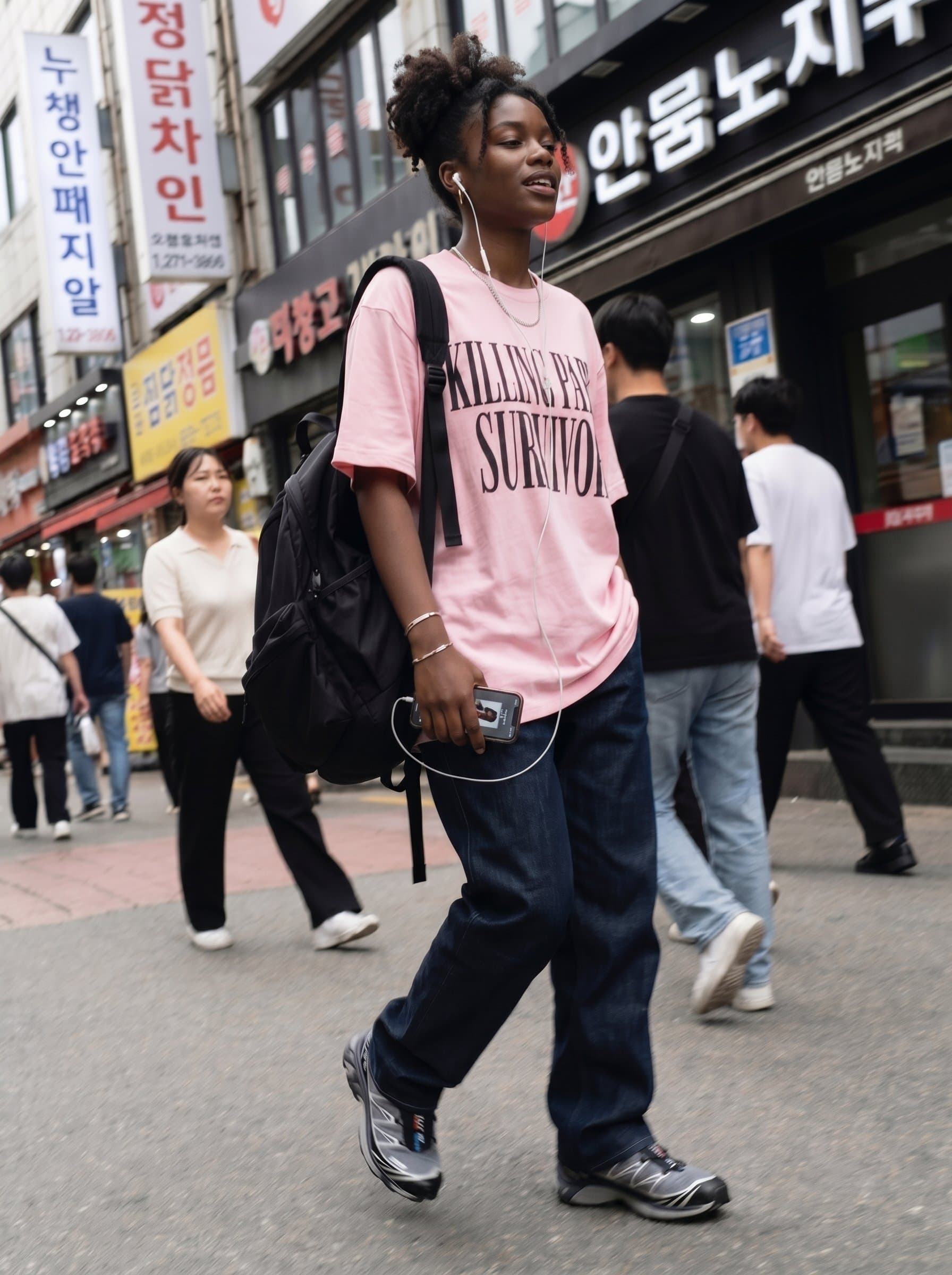
Drop 06
“Killing Part Survivor”
The Universe
Explore
Everything.
Artists, lyrics, slang, collaborations, cities and sounds.